Data-Driven Mechanics. No Myths.
We strip away the anecdotal instruction and replace it with kinematic physics, D-plane geometry, and impact parameters.
Explore the Science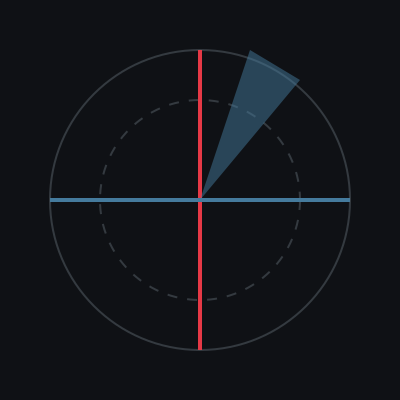
The Kinematic Brutalist Approach
Modern golf instruction is plagued by "feels" marketed as "reals." SwingProf exists to document the measurable reality of the golf swing. If a variable cannot be quantified by TrackMan, GCQuad, or 3D motion capture plates, it is not primary to our analysis.
Core Kinematics
1. The D-Plane
The 3D intersection of face angle and club path dictates 100% of ball curvature. Learn the laws →
2. The Sequence
Power is generated from the ground, transferring pelvis to thorax to arm to club. Analyze the sequence →
3. Impact Efficiency
Center contact dictates speed transfer. Speed without strike is wasted energy. Understand Smash Factor →
Tilt the Axis
Understanding the D-Plane is the single most important conceptual leap a golfer can make. You cannot fix a slice if you fundamentally misunderstand why the ball curves.
Read the D-Plane Primer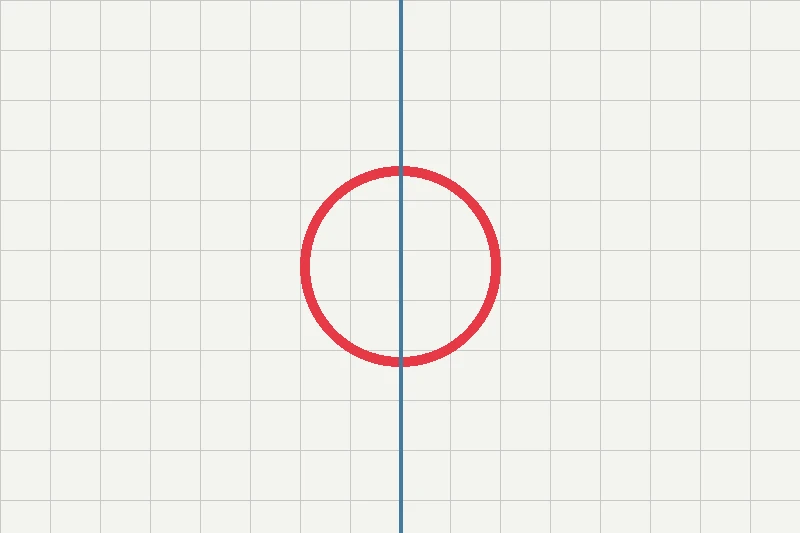
Interactive Diagnostics
Stop guessing. Calculate your exact impact parameters.
View All 10 ToolsMyth: Shaft Flex is Standard
There is no industry standard for "Stiff" vs "Regular". A shaft's bend profile (EI curve) matters far more than its stated flex letter. Learn more →
Myth: Drivers Can Exceed 1.50
Due to USGA limits on Characteristic Time (CT), a driver physically cannot exceed a ~1.50 smash factor at center impact. Read the physics →

Using the Earth
Peak vertical force must occur when the lead arm is parallel to the ground in the downswing. Late force application results in lost speed and poor strike.
Analyze GRF DataSpin Optimization
Backspin provides lift. For a driver, maximizing distance means minimizing spin without dropping below the threshold required for stable flight.
Target Spin RatesThe 1000 Rule
As a baseline, an iron's ideal spin rate is roughly its number multiplied by 1,000 (e.g., a 7-iron spins at 7,000 RPM).
Putting is Geometry
Matching your putter's toe-hang to your stroke arc is not a preference; it is a mechanical requirement for minimizing face manipulation.
Find Your BalanceBounce is Forgiveness
Low bounce (4°-6°) for sweepers. High bounce (12°-14°) for diggers. Wedge Guide →
Dynamic Loft
Tour players present significantly less dynamic loft than static loft to compress the ball. Learn to Compress →
The Bulge and Roll
The Gear Effect explains why a toe strike hooks and a heel strike slices. The curvature of the driver face is engineered specifically to counteract this physics phenomenon.
Read the MechanicsMind the Gap
A set with overlapping yardages is a waste of a 14-club limit. Ensure optimal 10-15 yard gaps at the top end of the bag.
Run Gapping Analysis"Speed is not power. Mass x Acceleration is power. And impact is where power is transferred."
The Archive
Deep dives into equipment physics and swing mechanics.